

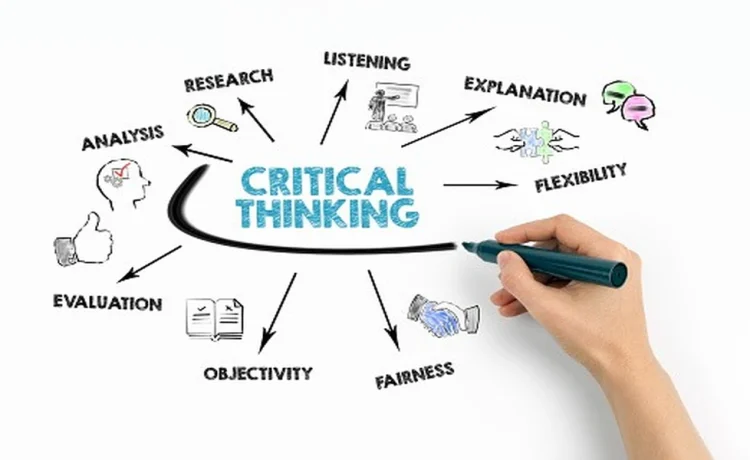
Education continues to evolve each year. Schools seek better learning methods. Teachers value measurable learning outcomes. The modern classroom needs clear evidence. Data helps reveal learning patterns. So, educators study performance carefully. Critical thinking remains highly important. It supports deeper academic understanding. Students analyze facts more effectively. The learning process becomes meaningful. Now schools increasingly use data. They evaluate teaching strategies regularly. The goal is stronger academic growth.
Understanding the Value of Critical Thinking
Critical thinking develops strong reasoning skills. Students learn to question information. They compare ideas with confidence. The classroom becomes more engaging. Learning moves beyond memorization alone. The approach encourages active participation. Students identify connections between concepts. They solve problems with clarity. Sometimes learners discover creative solutions. The process strengthens academic foundations. Teachers also observe better engagement levels. Learning experiences become richer and more effective.
Using Data to Measure Learning Outcomes
Teachers monitor student progress carefully. Assessment results reveal learning trends. The information supports informed decisions. Schools compare performance across groups. They identify successful teaching methods. Data reduces reliance on assumptions. The evaluation process becomes objective. But meaningful interpretation remains essential. Accurate analysis guides future planning. The results help improve instruction. Learning outcomes become easier to understand.
Many institutions gather performance indicators. Classroom observations support quantitative findings. Student participation also receives attention. The combined approach provides balance. Educators gain a clearer perspective. Academic improvement becomes more visible. The learning environment benefits greatly.
The Role of Structured Thinking Activities
Well-designed activities encourage deeper analysis. Students explore ideas independently. They evaluate information more carefully. The exercises support active learning. Classroom discussions become more productive. The learning atmosphere remains positive. Teachers encourage thoughtful responses regularly. Students develop stronger communication abilities. The benefits extend beyond academics. Many schools introduce critical thinking activities for middle school students through collaborative projects and engaging classroom challenges.
Academic Performance and Long-Term Development
Strong thinking skills support achievement. Students approach challenges confidently. They manage complex tasks effectively. The connection appears consistently strong. Schools continue evaluating these relationships. The findings remain encouraging.
Organizations such as Mission.io help create engaging learning experiences that encourage analytical thinking and collaboration. The educational focus extends beyond grades alone. Students prepare for future opportunities. They become adaptable learners. The development process remains valuable. Mission.io demonstrates how interactive learning environments can support meaningful skill growth.
Building a Future Through Evidence-Based Learning
Data-driven learning supports continuous improvement. Schools refine teaching approaches regularly. Evidence guides educational decisions. The classroom experience becomes stronger. Students receive better support systems. Learning goals remain clearly defined. Now educators rely on meaningful insights. The approach promotes accountability. Academic growth becomes measurable and consistent.
Conclusion
Mission.io and similar educational innovators highlight the importance of engaging learning experiences supported by measurable outcomes. Critical thinking remains a key priority. Students benefit from structured practice. The result is improved academic achievement and lasting intellectual development.