

The Master in Accounting equips one with critical analysis skills that can be jointly used in financial decision-making processes. This guide describes the way master in accounting singapore is cultivating these skills during the curriculum. This overview can guide anybody planning to undertake this post graduate course to know its analytical orientation.
Explains how master in accounting Singapore builds analytical skills for a data-driven world
Establishing core financial analysis skills
These programmes have a firm starting point in the aspects of financial statement analysis and reporting. Students get to know how to interpret complex financial information appropriately and purposely. This base gives rise to higher levels of analytical tasks in the course of the programme. Take into account the following basic skills:
- Financial statement interpretation: Students acquire the knowledge of how to interpret a balance sheet, income statement, and cash flow statements.
- Ratio analysis techniques: Coursework cultivates the ability to assess company performance using important financial ratios.
- Reporting standards knowledge: Students become familiar with pertinent accounting standards and compliance measures.
- Data accuracy verification: Training stresses close attention to the review in support of sound financial analysis results.
Developing quantitative reasoning capabilities
Good quantitative reasoning is also necessary in doing competent meaningful accounting analysis work. Analytical capability is generally underpinned by statistical and mathematical training that is included in programmes. Such quantitative emphasis aids in the explanation of the importance of numerical skill. Wholesomely, these are some of the quantitative abilities:
- Statistical analysis application: Students use the application of statistical analysis to measure the financial trends and patterns.
- Forecasting technique development: Coursework develops the skills on the accurate forecasting of the future financial outcomes.
- Data modelling proficiency: Students acquire the knowledge of constructing models to support the analysis of a complex financial situation.
- Variance analysis training: The programmes foster the skills of determining and describing financial performance differences.
Building technology-driven analytical skills
Contemporary accounting is more and more dependent on more advanced tools that assist in more complex analytics. Such programmes normally involve the inclusion of pertinent software and analytical technology training. This technology orientation can be used in explaining how graduates in programmes are being equipped to meet the demands in the industry. Think about the following technology related skills:
- Accounting software proficiency: Learning students acquire practical skills in financial software used in industries.
- Data analytics tool usage: Often during coursework, there will be training in analytical software that aids in the reviewing of large datasets.
- Automation awareness development: Students are taught how technology is becoming an extra support to the process of accounting analysis.
Applying critical thinking to financial decisions
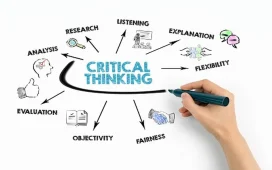
Other than technical calculation, these programmes develop critical thinking to aid good financial decisions. The students get to learn how to interpret the analytical findings in wider contexts of business. This critical thinking emphasis contributes to explaining a fundamental programme development goal. These are some of the essential thinking skills:
- Contextual analysis application: Students get to know how to interpret financial data in pertinent business situations.
- Problem-solving skill development: The coursework will promote systematic thinking of complicated financial problems.
Supporting practical, real-world application
Opportunities of practical application give the students a chance to put the skills of analytical abilities to work in actual accounting situations. Projects and case studies are learning resources used to apply learning in classrooms into working professional skills. This applied emphasis contributes to the inspiration of the practicality of the programme. Take these learning components into account:
- Case study analysis: The analysis of the real business cases helps develop applied analytical skills.
- Industry project involvement: There are programmes that involve projects that relate students to real organisational problems.
Summary
Master in accounting Singapore develops great analytical skills based on financial, quantitative and technology-related training. Awareness of these programme elements will assist potential students to value the thorough approach to analysis used in it. This training is still worthwhile to those who seek higher accounting and finance positions.