

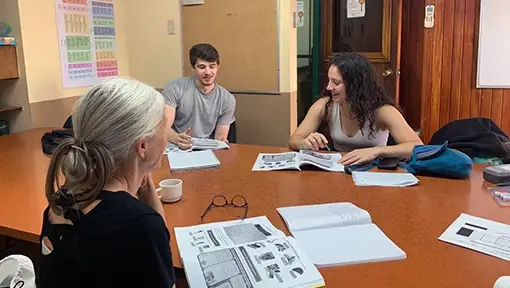
Teaching Spanish can be both exciting and challenging, especially in a Spanish for middle school program, where students are still building confidence and basic skills. Middle school learners often feel nervous about speaking a new language, but with the right methods, found at SarahsSpanishSchool.com, Spanish can become enjoyable and meaningful. When lessons are well planned and engaging, students are more likely to participate, remember what they learn, and use Spanish with confidence.
The best Spanish classes go beyond memorizing words and rules. They help students see how Spanish connects to real life, culture, and other subjects. By using creative methods and clear goals, teachers can make Spanish learning more natural and rewarding.
Combine Spanish With Other Subjects
One effective way to teach Spanish is by connecting it with other subjects like art, music, history, or science. This shows students that Spanish is not just a class, but a useful tool across many areas of learning.
For example, students can learn about cultural celebrations while creating art projects, or study history topics using simple Spanish texts. Working with other teachers also helps create lessons that match what students are already learning, making Spanish feel more familiar and useful.
Create a Safe Space for Speaking Practice
Many students feel shy or afraid to speak Spanish out loud. To help with this, teachers should make speaking activities expected and well prepared. When students know what topics they will talk about and what questions to expect, they feel more comfortable.
Using clear grading guides also helps students understand what is expected. A friendly classroom atmosphere is important. Instead of focusing on mistakes, teachers should encourage effort and improvement. This helps students gain confidence and feel proud of their progress.
Teach Language and Culture Through Food
Food is a fun and powerful way to teach Spanish. It helps students connect language with real experiences. Teachers can plan special days focused on Spanish-speaking countries and their foods.
Beginner students can learn food names and simple sentences, while more advanced students can write recipes or explain cooking steps in Spanish. These activities help students practice reading, writing, speaking, and listening—all while enjoying the lesson.
Practical Methods That Help Students Use Spanish With Confidence
Middle school students learn best when they are active and involved. Lessons that focus on real-life use, clear goals, and student choice help keep them motivated and focused.
Use Games and Creative Projects
Games are a great way to increase student interest. Teachers can go beyond simple games by using projects where students create their own learning tools. For example, students can design board games using Spanish words and rules.
When students play each other’s games, they must read, speak, and listen in Spanish. This kind of activity feels fun but also builds strong language skills without pressure.
Plan Lessons With Clear Goals
Good Spanish teaching starts with knowing the end goal. Teachers should decide what students should be able to do by the end of a unit, such as having a short conversation or completing a role-play.
Once the goal is clear, lessons can be planned step by step to help students reach it. This makes every activity feel meaningful and helps students understand why they are learning certain words or phrases.
Use Real-Life Tasks in Spanish
Task-based learning helps students use Spanish in real situations. Instead of just learning vocabulary, students complete tasks like giving a short presentation, writing a song, or creating a video.
Allowing students to choose from different task options helps match their interests and strengths. Breaking tasks into small steps also helps students stay organized and focused.
Focus on Reading Spanish Materials
Reading helps students understand how Spanish works in real texts. Teachers can use short stories, song lyrics, poems, or simple news articles, depending on the students’ level.
Students should be encouraged to use dictionaries and ask questions. Reading real Spanish materials helps them learn new words and see how sentences are formed naturally.
Use Technology to Support Learning
Technology can make Spanish learning more flexible and fun. Language apps help students practice at their own pace, both in class and at home. Flashcard tools are useful for reviewing vocabulary.
Videos made by native speakers also help students hear natural Spanish. These tools support different learning styles and keep students engaged, especially in a Spanish for middle schools program where attention and motivation are key.
Final Thoughts
Teaching Spanish successfully in middle school requires patience, creativity, and clear planning. By combining Spanish with other subjects, encouraging speaking, using real-life tasks, and adding technology, teachers can help students feel confident and capable. A well-designed Spanish program gives students skills they can use now and in the future, both inside and outside the classroom.