
Quick Answer
A People Manual Handling Course teaches healthcare workers, nurses, and care assistants how to safely move, lift, and reposition patients or clients while minimising injury risk to both parties. In Ireland, this training is typically based on Health and Safety Authority (HSA) guidelines and is a mandatory requirement (renewed every 1-2 years) for most clinical and care roles. Courses combine theory with hands-on practical assessment, usually completed in one day.
Key Facts Table
| Aspect | Detail |
|---|---|
| Course Duration | Typically 6-7 hours (1 day) |
| Refresher Frequency | Every 1-2 years (employer dependent) |
| Governing Guidance | HSA Code of Practice for Manual Handling |
| Suitable For | Nurses, care workers, healthcare assistants, hospitality staff |
| Certification | Certificate of completion, valid for stated period |
| Assessment Type | Practical demonstration + theory |
Introduction
Musculoskeletal injuries remain one of the leading causes of work-related absence in the healthcare and care sectors. For nurses, care assistants, and hospitality workers who regularly assist with lifting, transferring, or repositioning people, proper training isn’t optional-it’s a legal and practical necessity. A People Handling Course equips staff with evidence-based techniques to protect themselves and the people in their care.
What Is a People Handling Course?
A People Manual Handling Course is specialised manual handling training focused specifically on moving and assisting people rather than objects. It differs from general manual handling because it accounts for unpredictable movement, varying mobility levels, dignity considerations, and the use of handling equipment such as hoists and slide sheets.
Who Needs This Training?
- Nurses working in hospitals, nursing homes, or community care
- Healthcare assistants and care workers in residential or home-care settings
- Hospitality staff assisting guests with mobility needs (hotels, accommodation services)
- Therapy and rehabilitation staff involved in patient transfers
Manual Handling for Hospitality vs. Healthcare Settings
| Feature | Hospitality Manual Handling | Healthcare/Care People Handling |
|---|---|---|
| Focus | Lifting stock, luggage, occasional guest assistance | Patient/client transfers, repositioning, hoist use |
| Equipment Covered | Trolleys, basic lifting aids | Hoists, slide sheets, transfer boards |
| Regulatory Emphasis | General manual handling regulations | Clinical handling standards + dignity/care protocols |
| Typical Duration | 3-4 hours | 6-7 hours |
Core Components of a People Handling Course
1. Theory Module
Covers anatomy of the spine, risk assessment principles, and legislative responsibilities under the Safety, Health and Welfare at Work Act 2005.
2. Risk Assessment Skills
Participants learn the TILE/TILEO approach (Task, Individual, Load, Environment, Other factors) to assess handling risks before acting.
3. Practical Techniques
Hands-on practice includes:
- Bed-to-chair transfers
- Standing and walking assistance
- Use of slide sheets and hoists
- Falls management procedures
4. Equipment Familiarisation
Trainees practise with mechanical aids commonly found in care environments, building confidence and competence.
Why This Training Matters: A Real-World Example
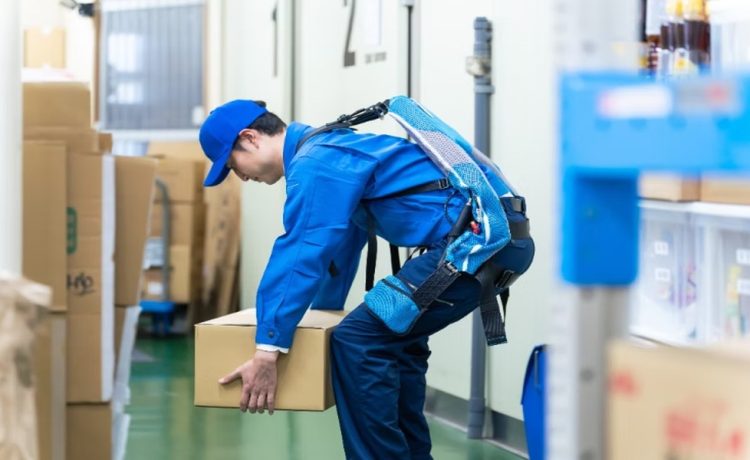
Consider a care assistant repositioning a patient with limited mobility. Without proper technique, this routine task can cause lower back strain-one of the most commonly reported workplace injuries in care settings. Trained staff, by contrast, use body mechanics and equipment correctly, reducing both staff injury rates and discomfort for the person being assisted.
Actionable Tips for Staff and Employers
- Schedule refreshers proactively-don’t wait for certificates to lapse.
- Practise with actual equipment used in your workplace, not just generic models.
- Conduct individual risk assessments for clients with specific mobility challenges.
- Encourage open reporting of near-misses to improve handling protocols.
FAQ Section
1. How long does a People Handling Course take?
Most courses run for one full day (6-7 hours), combining classroom theory with practical assessment.
2. Is People Handling Training legally required in Ireland?
Under the Safety, Health and Welfare at Work Act 2005, employers must provide adequate training for tasks involving manual handling risks-making this training a practical necessity for most care roles.
3. How often should I renew my certificate?
Typically every 1-2 years, though specific intervals depend on employer policy and risk assessments.
4. What’s the difference between Manual Handling and People Handling courses?
Manual handling covers general object lifting; people handling specifically addresses moving individuals, including mobility aids and dignity considerations.
5. Do hospitality staff need People Handling training?
If their role involves assisting guests with mobility needs, yes-though the scope may differ from clinical settings.
6. What topics are covered in the practical session?
Bed transfers, chair-to-standing assistance, hoist operation, and fall response techniques.
7. Can this course be done online?
Theory components can often be delivered online, but practical assessment typically requires in-person attendance.
8. Who delivers People Handling Courses in Dublin?
Accredited trainers familiar with HSA guidelines and healthcare-specific handling protocols.
9. What happens if staff aren’t trained?
Increased injury risk, potential non-compliance with workplace safety obligations, and higher absenteeism rates.
10. Is the certificate recognised across Ireland?
Yes, provided the course follows recognised HSA-aligned curricula.
Key Takeaways
- People Handling Courses are essential for nurses, care workers, and relevant hospitality staff.
- Training combines theory, risk assessment, and hands-on practice.
- Regular refreshers (every 1-2 years) help maintain compliance and reduce injury risk.
- Courses differ from general manual handling by focusing on transferring people safely.
Conclusion
Investing in a People Handling Course protects both staff and the individuals they care for. For organisations based in Dublin or across Ireland, partnering with an experienced training provider ensures compliance with safety obligations while building practical, confidence-boosting skills for everyday care tasks. For enquiries, contact info@irish-manualhandling.ie or visit our training centre at 19 Harcourt Street, Dublin, D02H364.